|
Replacement
of a drumhead
(about 10 minutes)
see also
rope replacement
see also natural head set-up
 version
en Français version
en Français
 see
the pictures see
the pictures
Example for a snare head photo
1)
If it is a natural one, see also
natural head
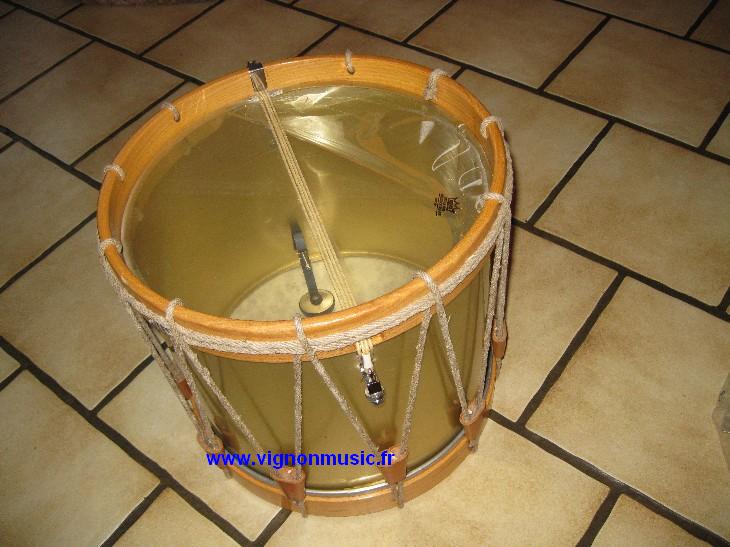
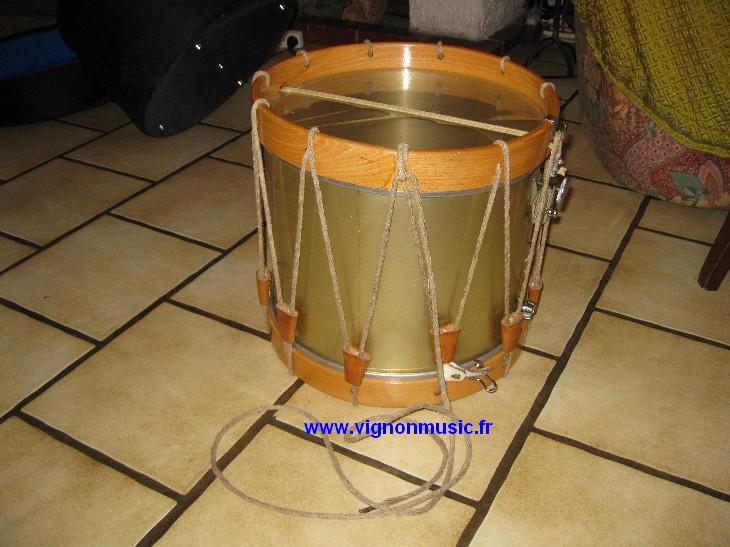
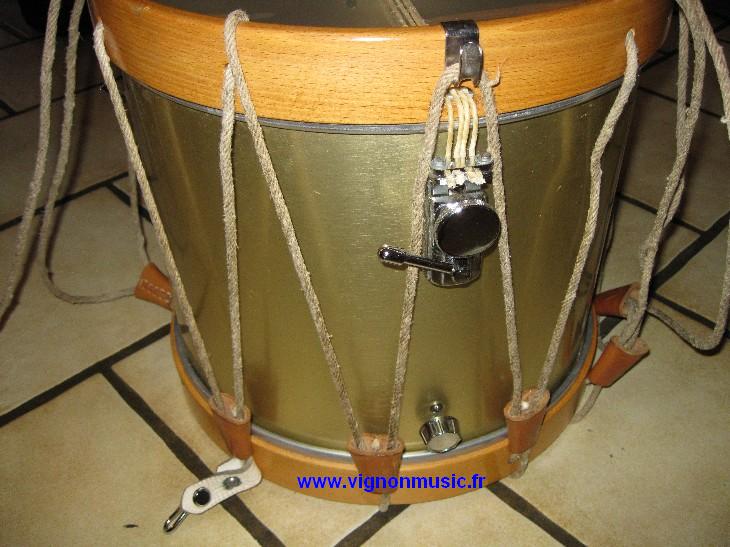
1° Put off
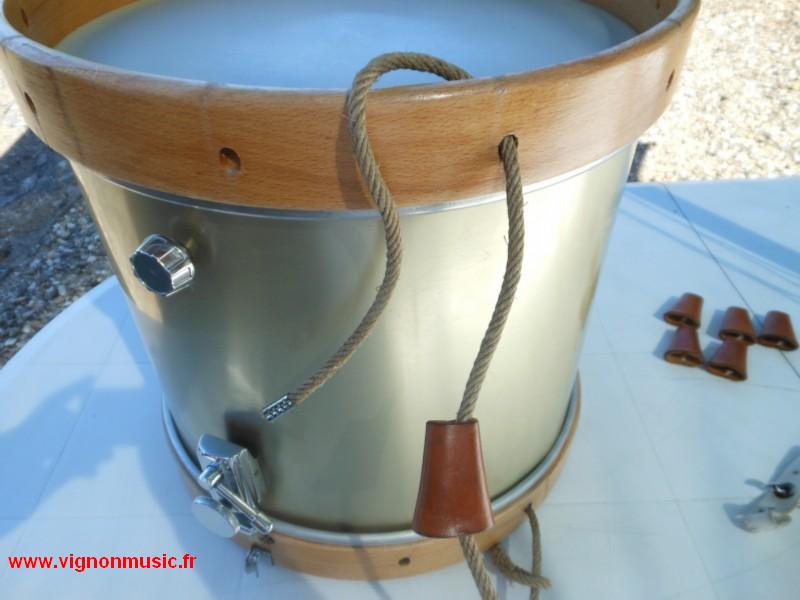
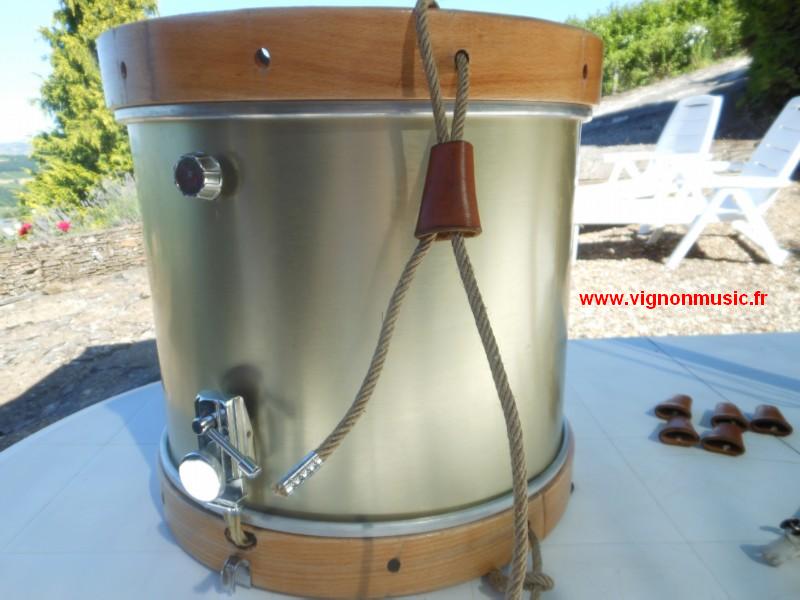
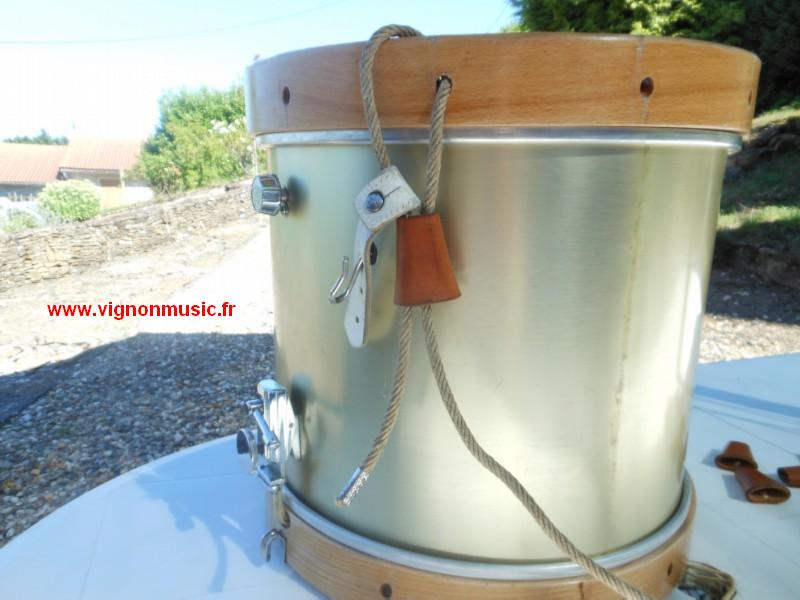
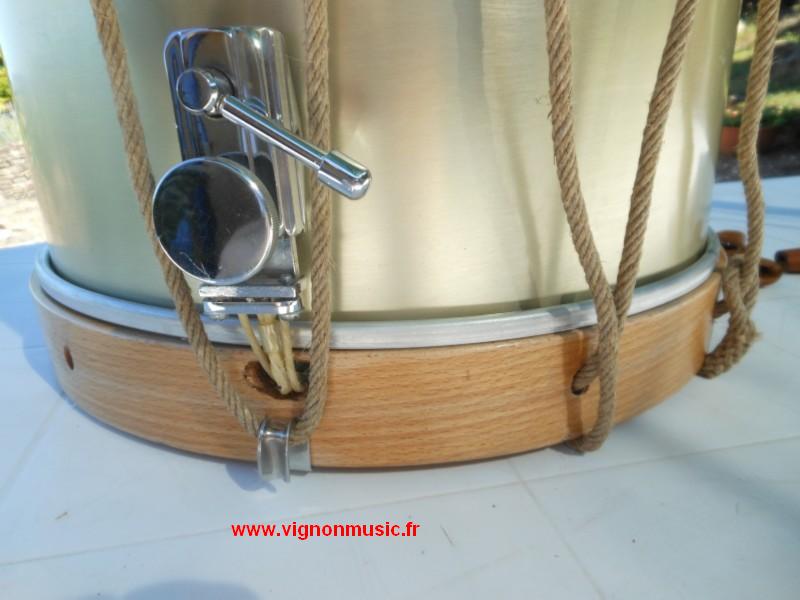
the rope surplus which is around of the snare hoop (photo
2)
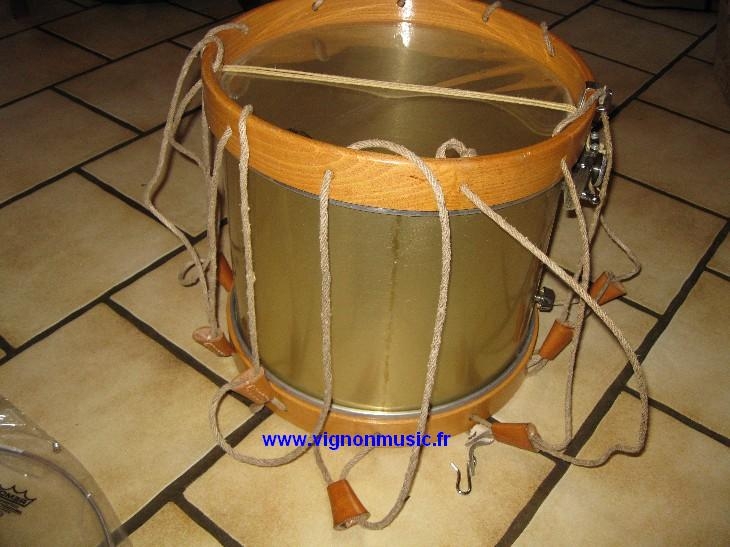
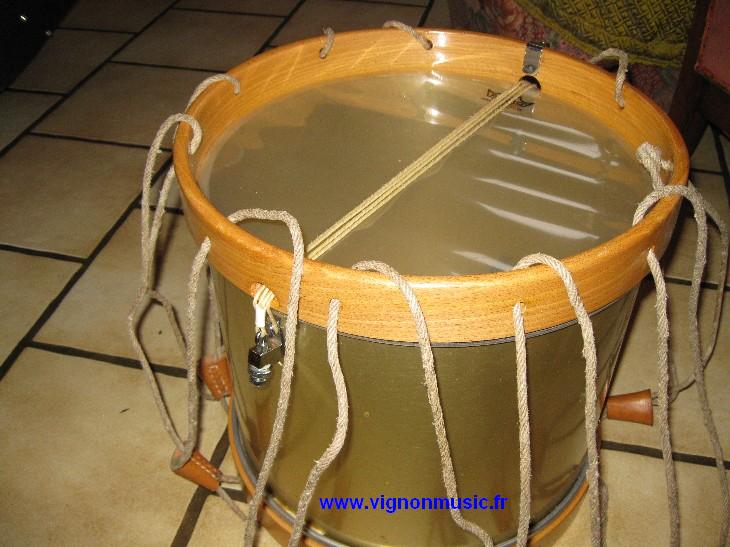
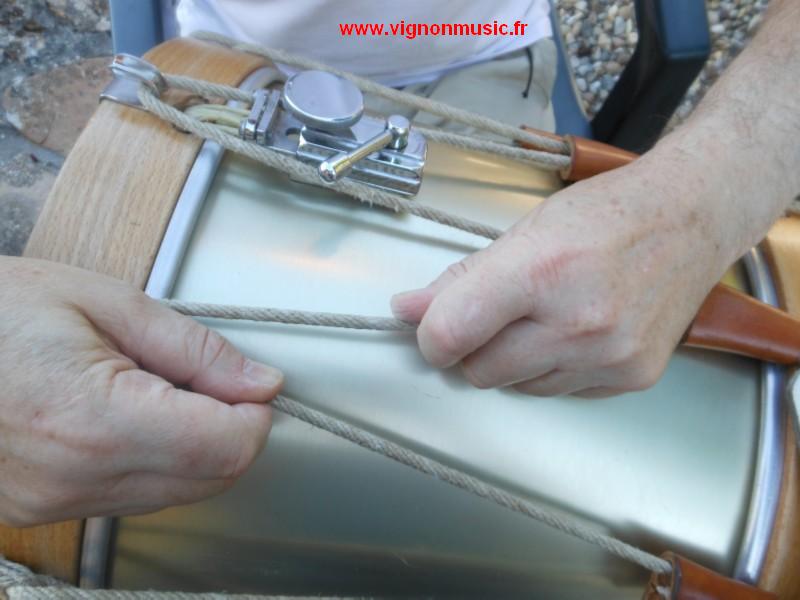
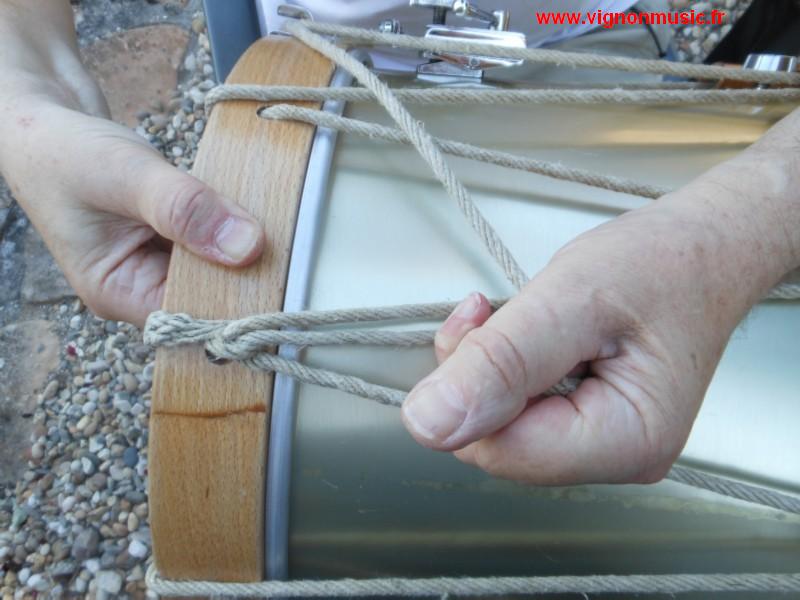
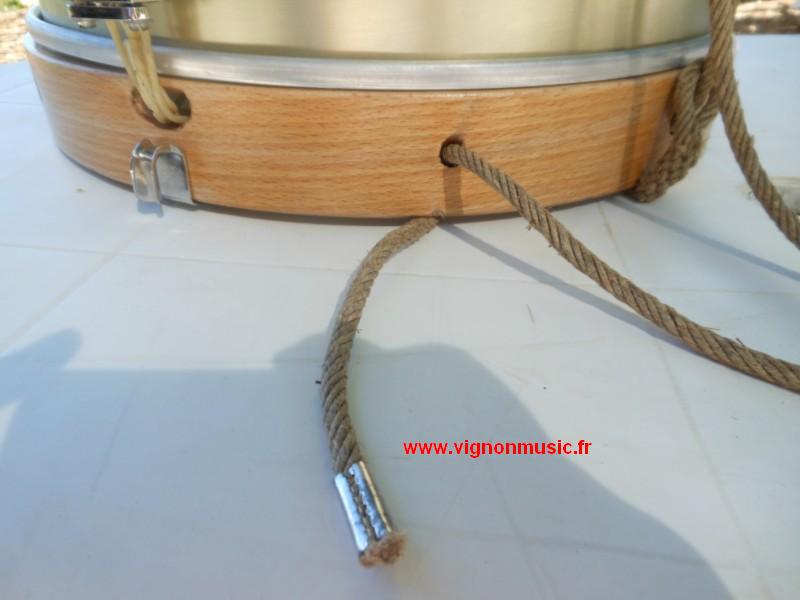
2° Slack
off enough the rope cordage taking advantage of this
surplus (photo 3)
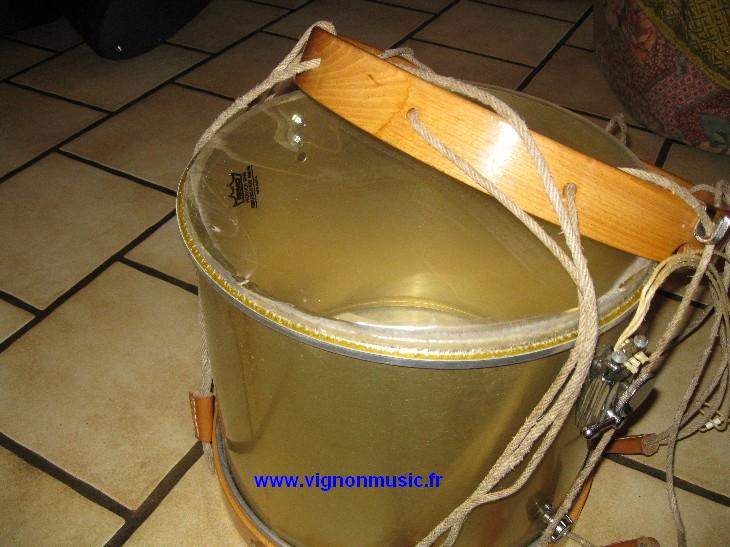
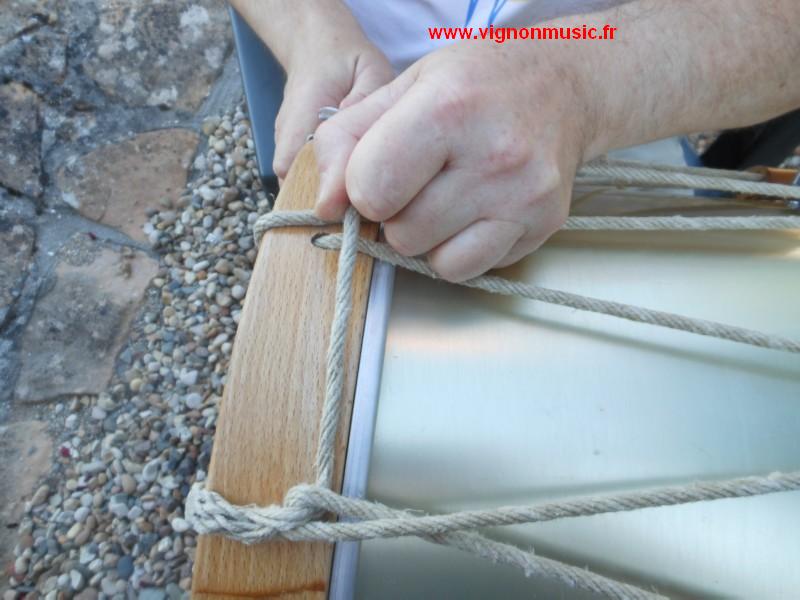
3° Draw
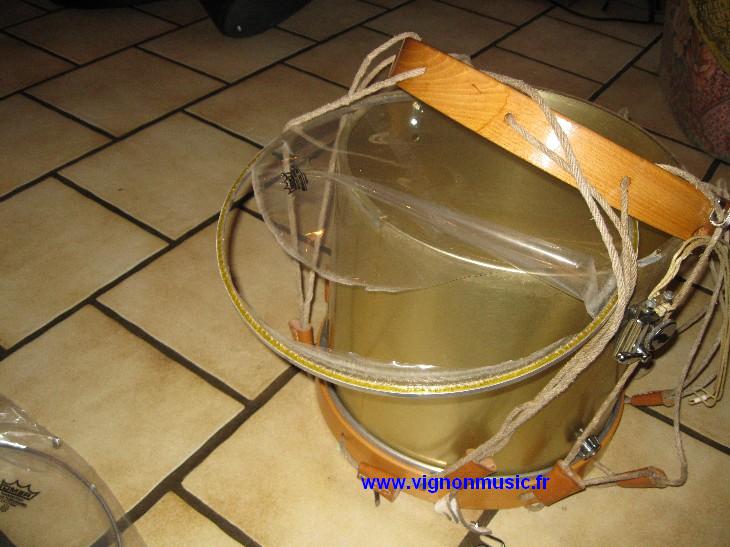
the hoop concerning by the head which must be replaced (photo
4)
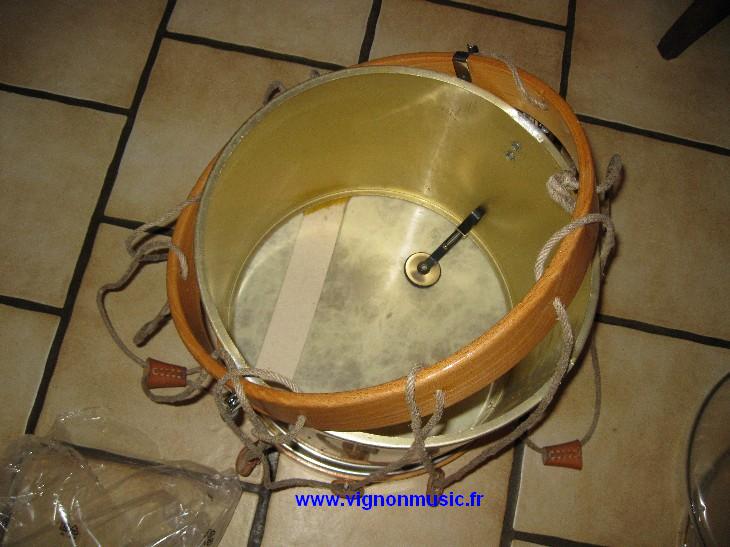
4° Take
off the old head (photo
5)
5° Put the
new head (photo
6)
6° Set up
the parts (photo
7)
7° Pull
the rope, but not stretch it (photo
8)
8° Verify
the correct placement of the snare hoop with the shell
(with the snare throw off), then the batter hoop (photo
9)
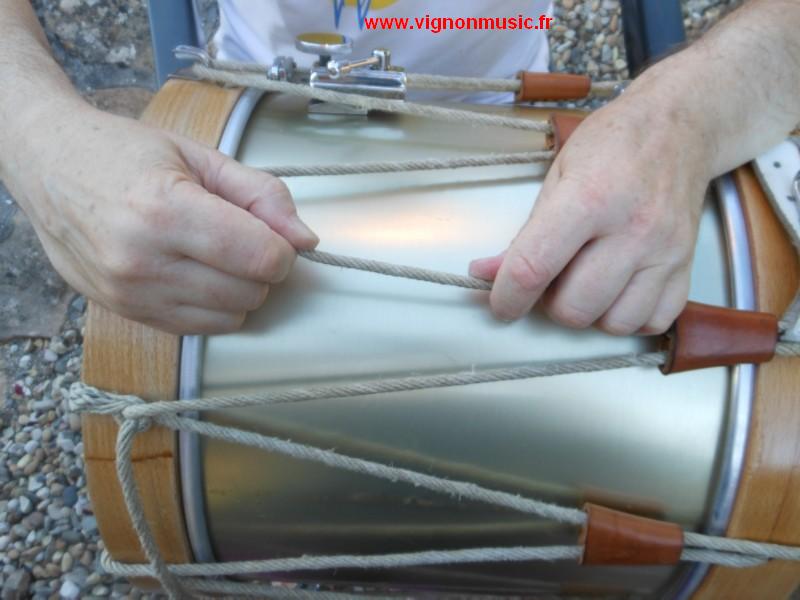
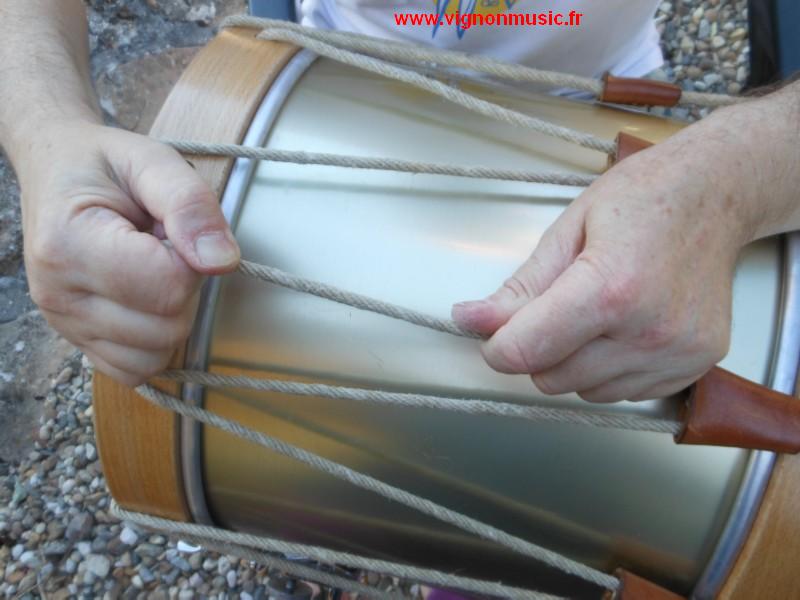
9° stretch
the rope, often that needs three stages (three turns)
(photo 10) (photo 11) (photo 12) (photo 13) (photo 14) (photo 15)
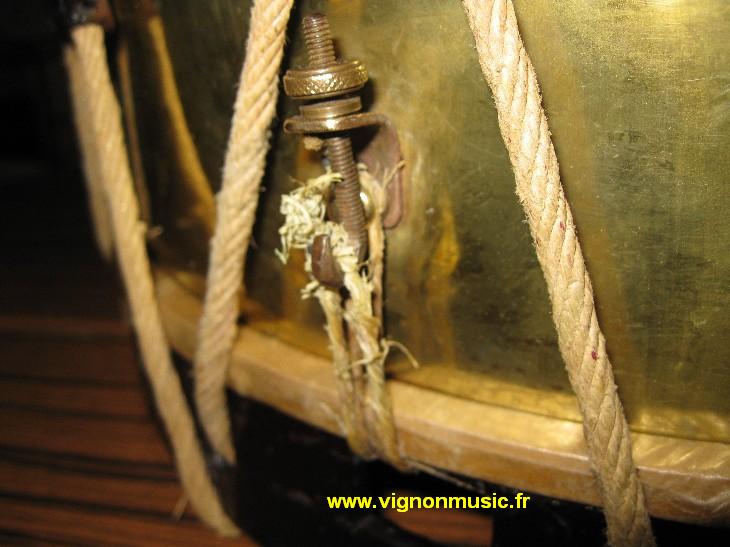
put the surplus around the snare hoop, and I
always do a last turn around in order to equalize the
tension, in the inverse direction, beginning with the
end (photo 16).
Rope replacement
version
en Français
see
the pictures
In any case, or to renew the hoops, or to
replace the ears, we of course must completely put it, but
it is of course not necessary to only replace one, or the
two heads. See
head replacement also
natural head
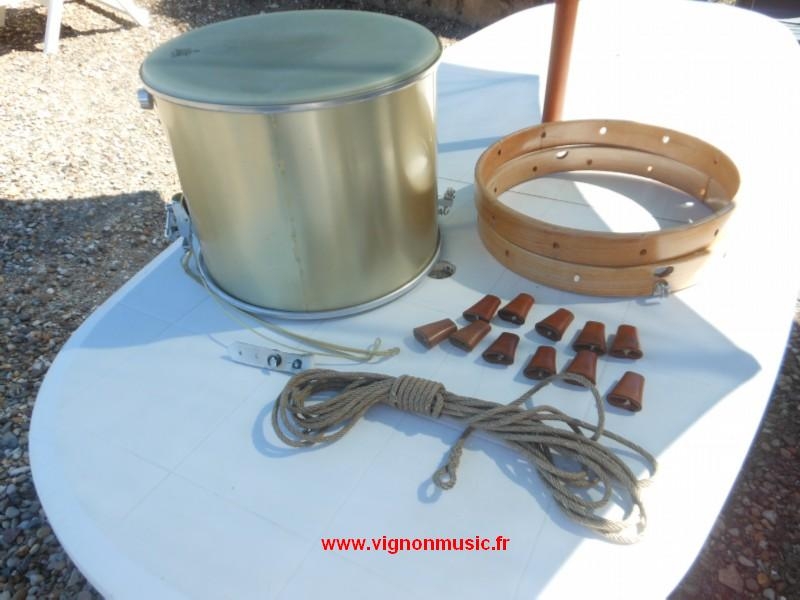
1° View
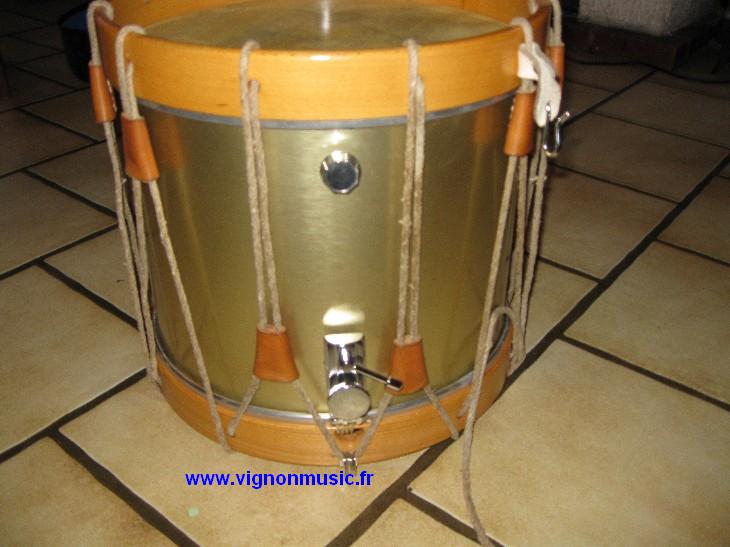
of the Drum parts : (photo
1)
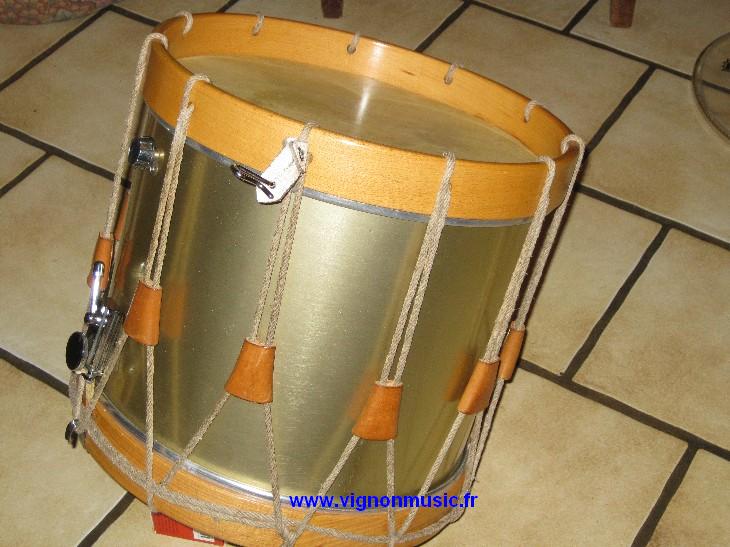
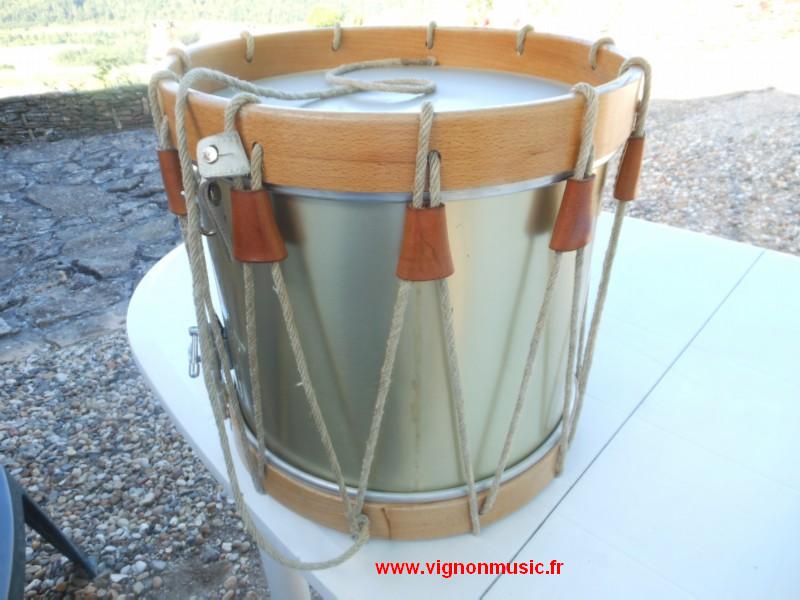
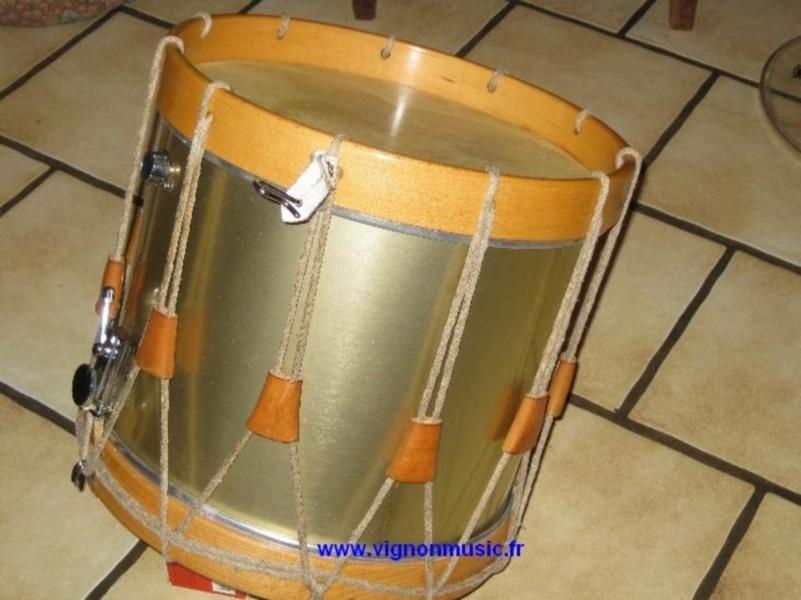
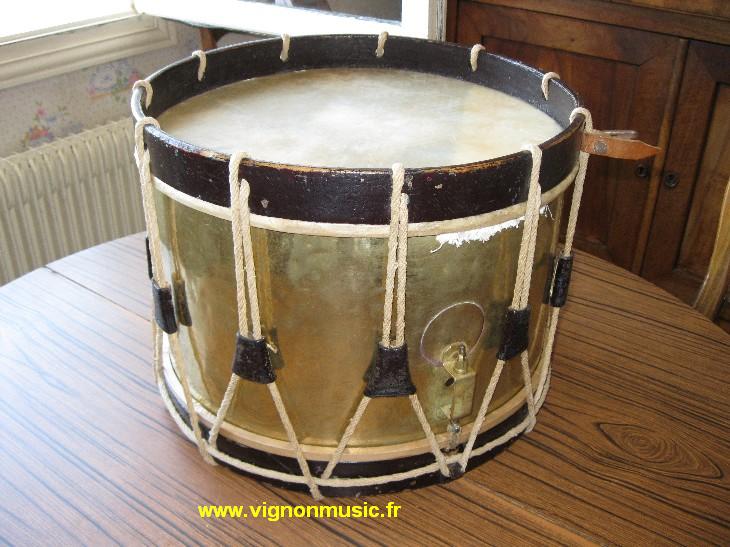
- the shell, with the heads, the snare
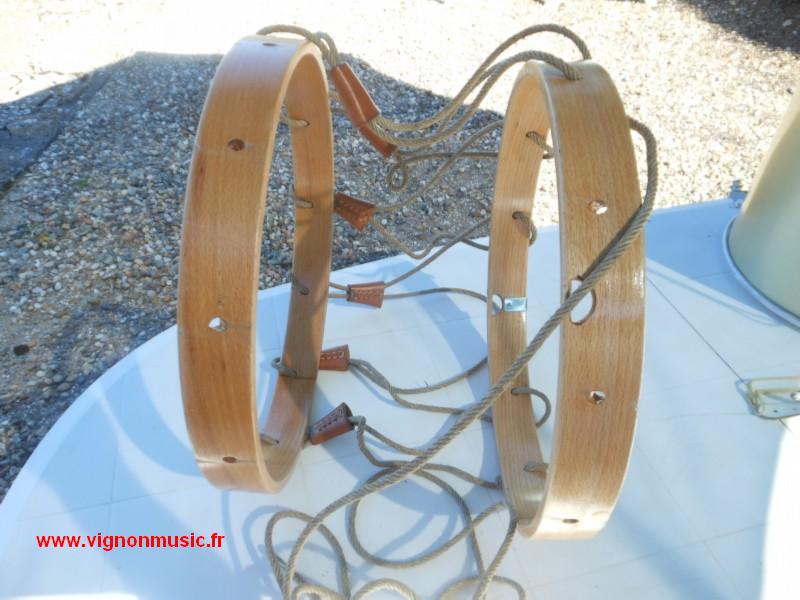
- the two hoops
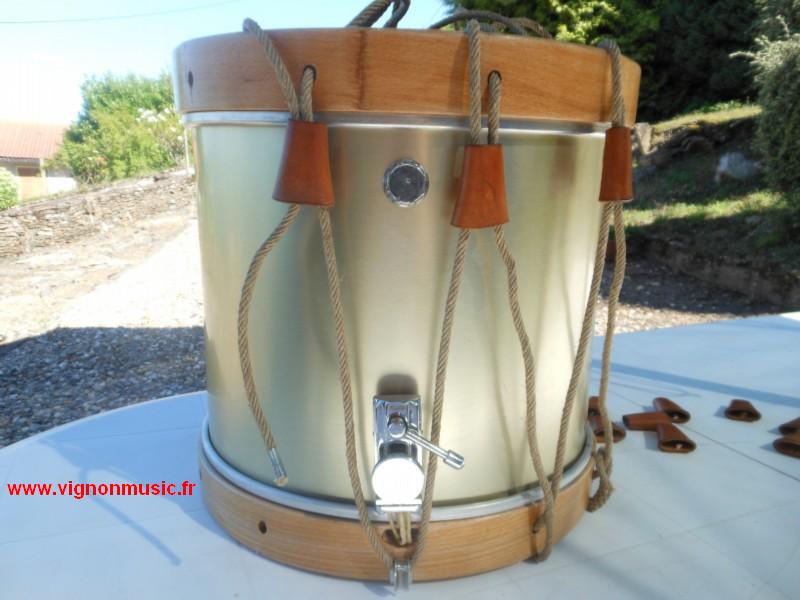
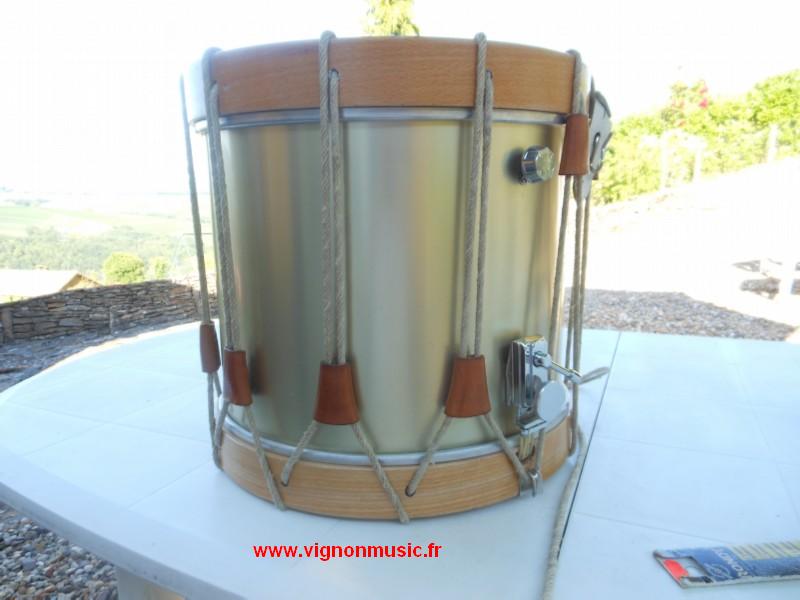
- the eleven ears
- the suspension strap with hook
- the new rope.
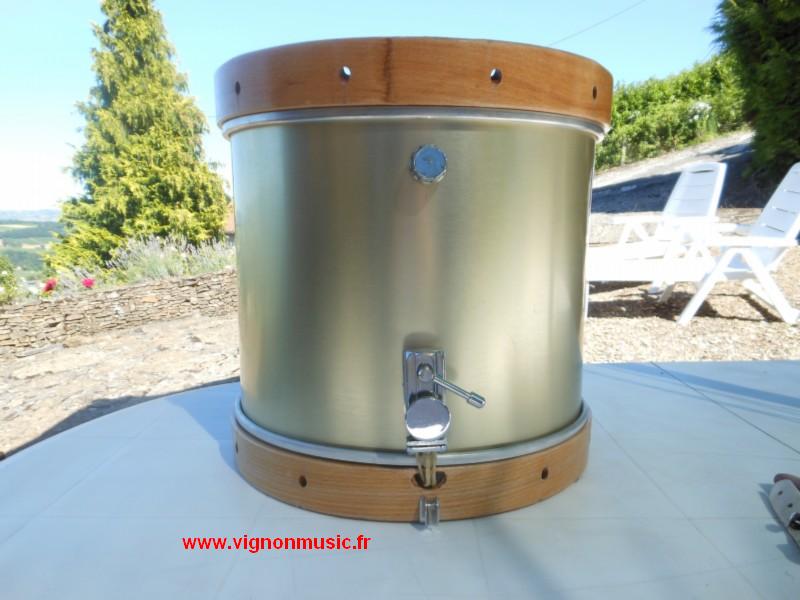
2° We put the hoops
on the shell, in the right place. (photo
2)
3° It is of course
very important to well begin. So, there are many
explanations, it is better to have too much than not
enough.
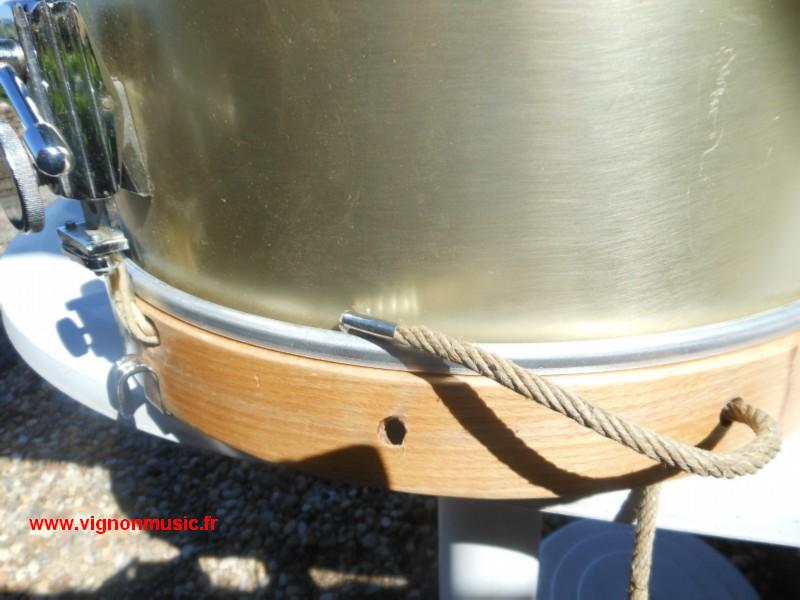
4° We begin into
the second hole of the snare hoop, counting right from the
snare throw-off. (photo 3)
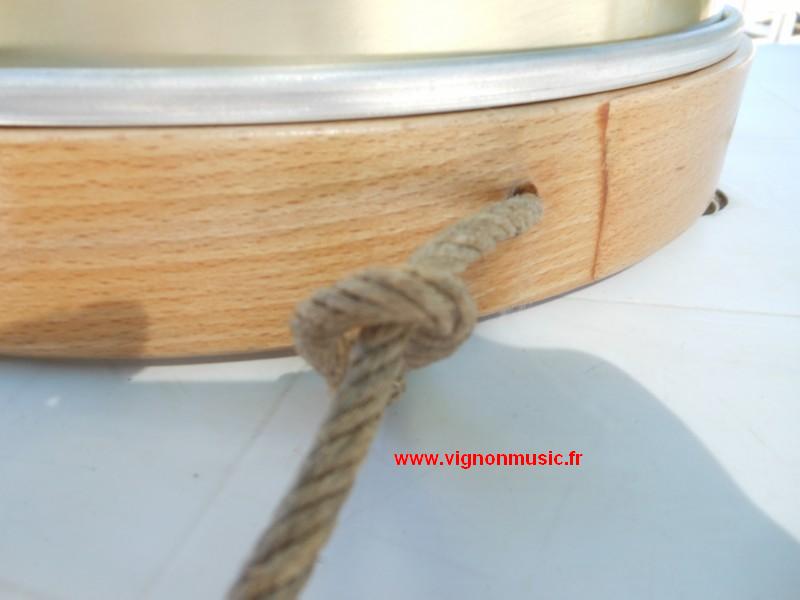
5° We pull it, and
put it into the loop. (photo
4)
6° We put into the
first ear, then into the batter hoop, in entering
direction, and going closer to the snare motion. (photo
5)
7° We continue into
the ear (photo 6),
the into the snare hoop (thus first hole right from the
snare). At this moment, we just pull the rope into the
parts in order to maintain all, but we do not stretch. (photo 7)
8° Normally, the
suspension strap is "open", we can put it at the end of
the operation. If it is not, do not forget to place it
now. (photo 8)
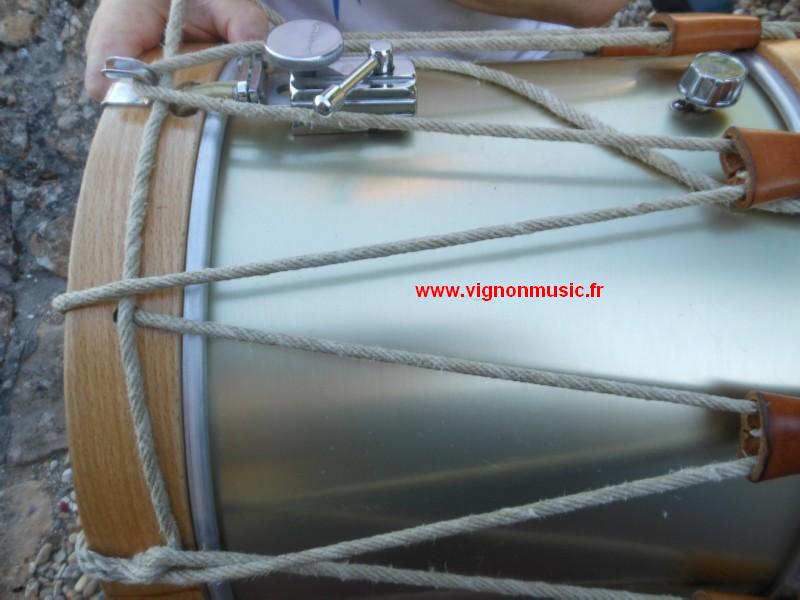
9° We continue
again, ear, hoop, ear, hook (photo
9), ear, hoop, etc. (photo
10)
10° It is possible
to do the operation as shown, without the shell. (photo
11)
11° Here is the
final result, with the last passage into the loop of the
rope. (photo 12)
12° At this time,
we must verify the good position of the snare hoop
compared with the shell. Then, pushing down some ears, we
can watch the batter hoop. (photo
13)
13° We now have to
stretch the rope from the begining. (photo
14)
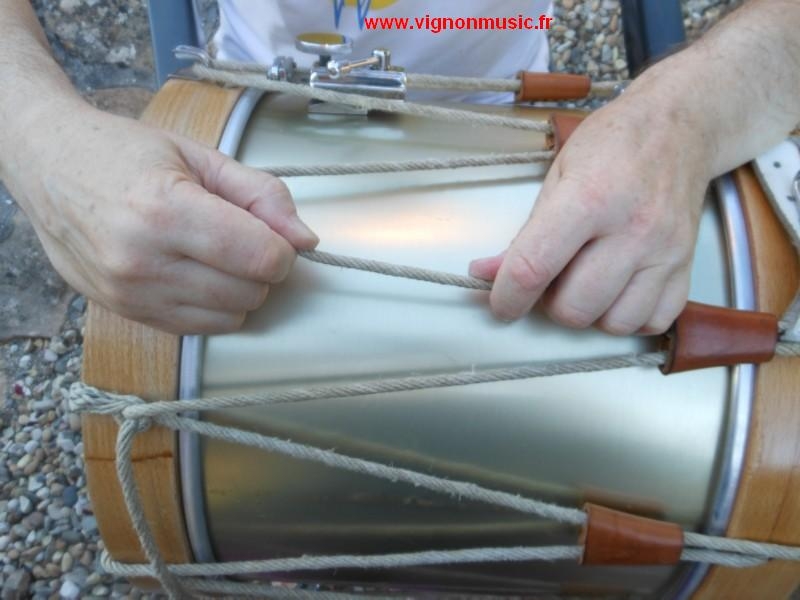
14° Then, strand by
strand. (photo 15) (photo 16)
15° We finish by
pulling through the loop, with a stop turn. (photo
17)
16° And, we stretch
again... in general we need to do it two, three times, and
gain one, two centimeters each time.
17° We put the
surplus of the rope around the snare hoop, as shown. (photo
18) (photo 19)
18° I always finish
with a last inversed turn (beginning with the last strand)
in order to equalize the tension.
19° Then, we can
play. (photo 20)
Natural head
set-up
(about 20 minutes, and
some hours for drying)
version
en Français
see
the pictures
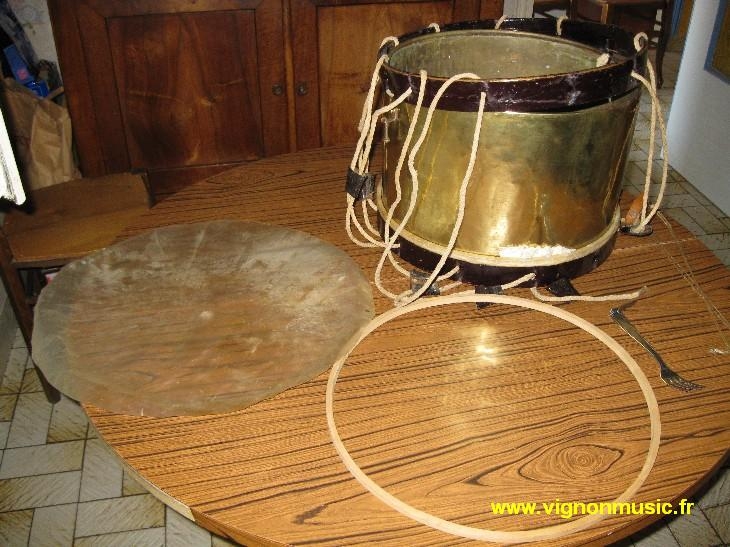
We want to replace the snare head on this old
Drum. (see story).
1° General
view, (photo 1)
:
- the "open" Drum: See
head replacement
and rope
replacement
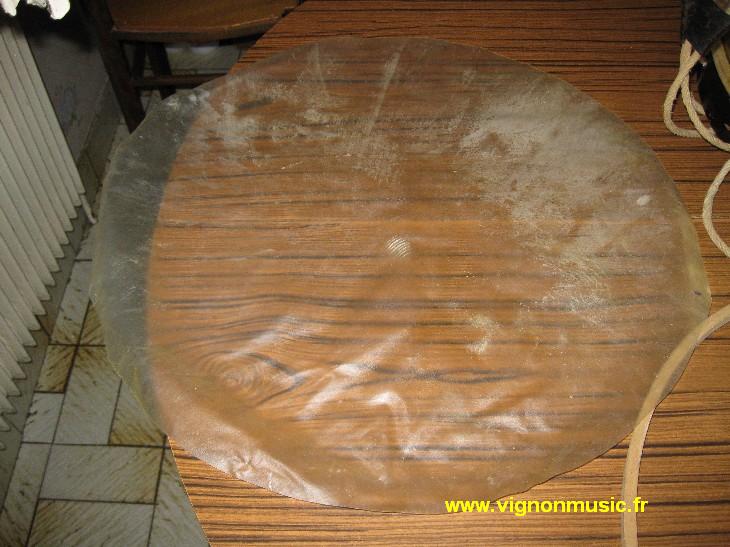
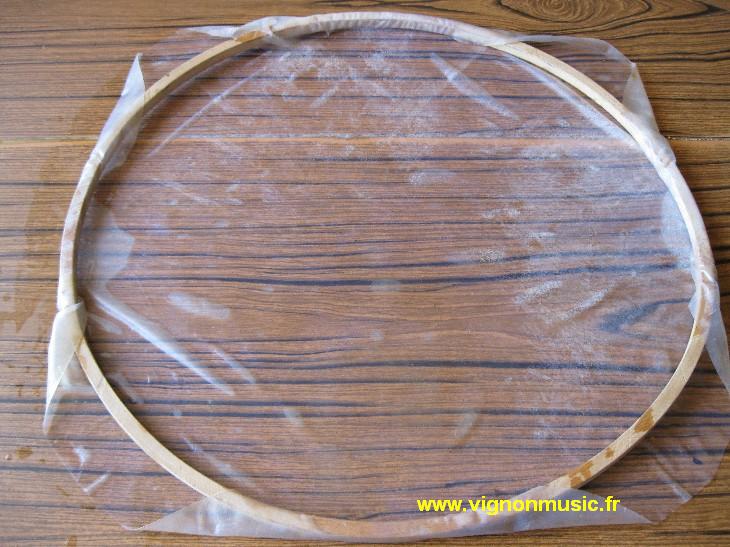
- the new head, made of calf or goat skin (here
it is calf, I prefer) (photo
2)
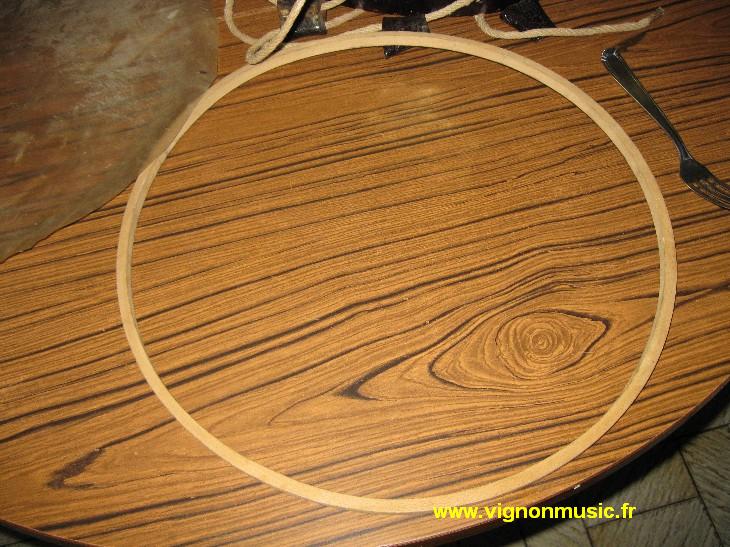
- the head hoop, for which we verified it
matches with this old shell (photo
3)
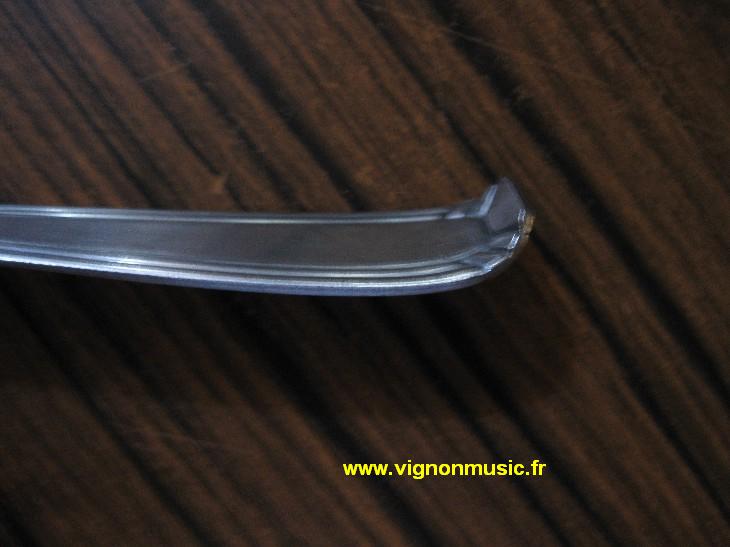
- the dedicated fork, with a
"special" bent end. (photo
4)
2° Soak
the head in cold water (not hot, of course, we do not want
to cook it) for some minutes, enough to obtain the
required suppleness.
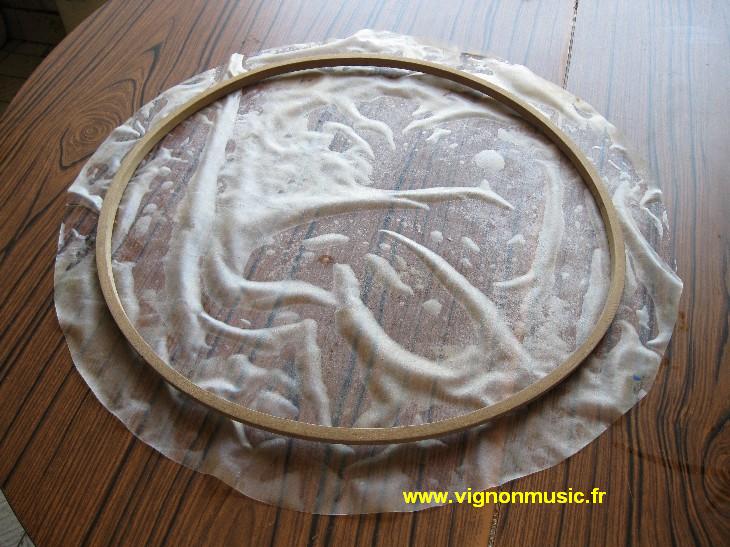
3° Place
the head on a table, extern side down, and the hoop above.
(photo
5)
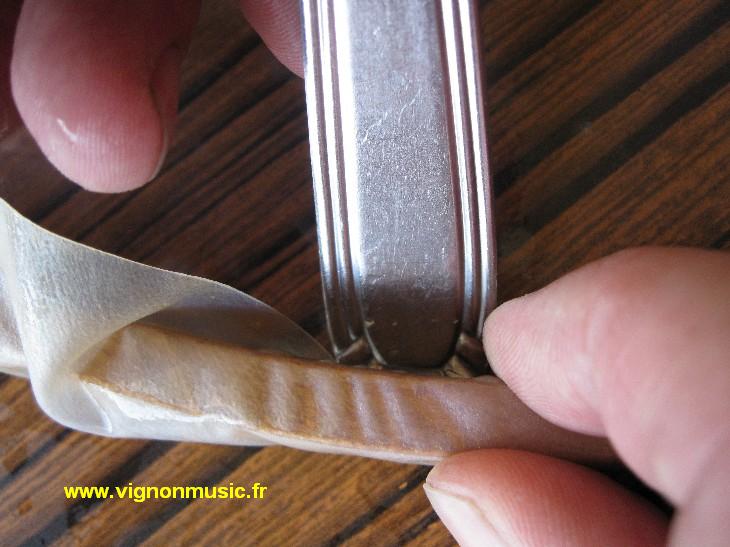
4° Begin
to roll the head, in four opposite points. (photo
6)
5° View
of the details of the operation. (photo
7)
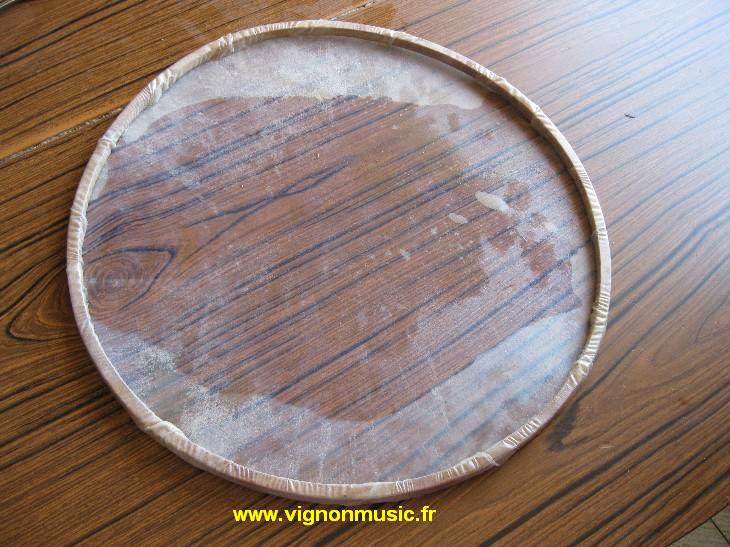
6° Continue
all around, then finish to roll. (photo
8) and result
scheme
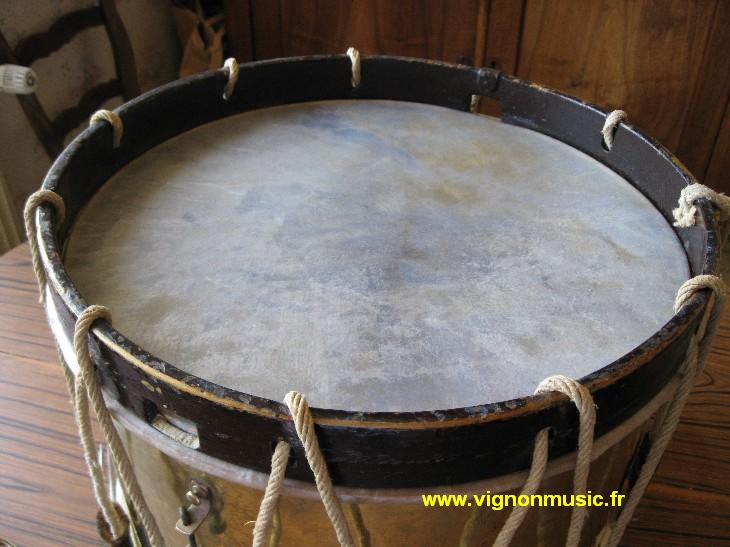
7° Put the
head on the Drum, pushing it about five millimeters, just
for it takes shape. Pull the rope, but do not stretch. (photo
9)
8° Wait
for the drying, between three and ten hours, depending of
the thickness of the head and of the meteo.
9°
Finish the Drum set-up, stretch the rope. See rope replacement
10°
Make Drum in tension , the snare adjustments (photo
10) (photo
11)
11° The
expected moment came : we can play. Every natural head is
different, so the touch, the behaviour, the sound are not
predictable, thus it is particularly exciting. (photo
12)
Back
to main page
|